
Theo Schmidt · 26 October 2026
Tracing the Impact of Amber Technology on Version Control Mechanisms Within Global Project Management Platforms
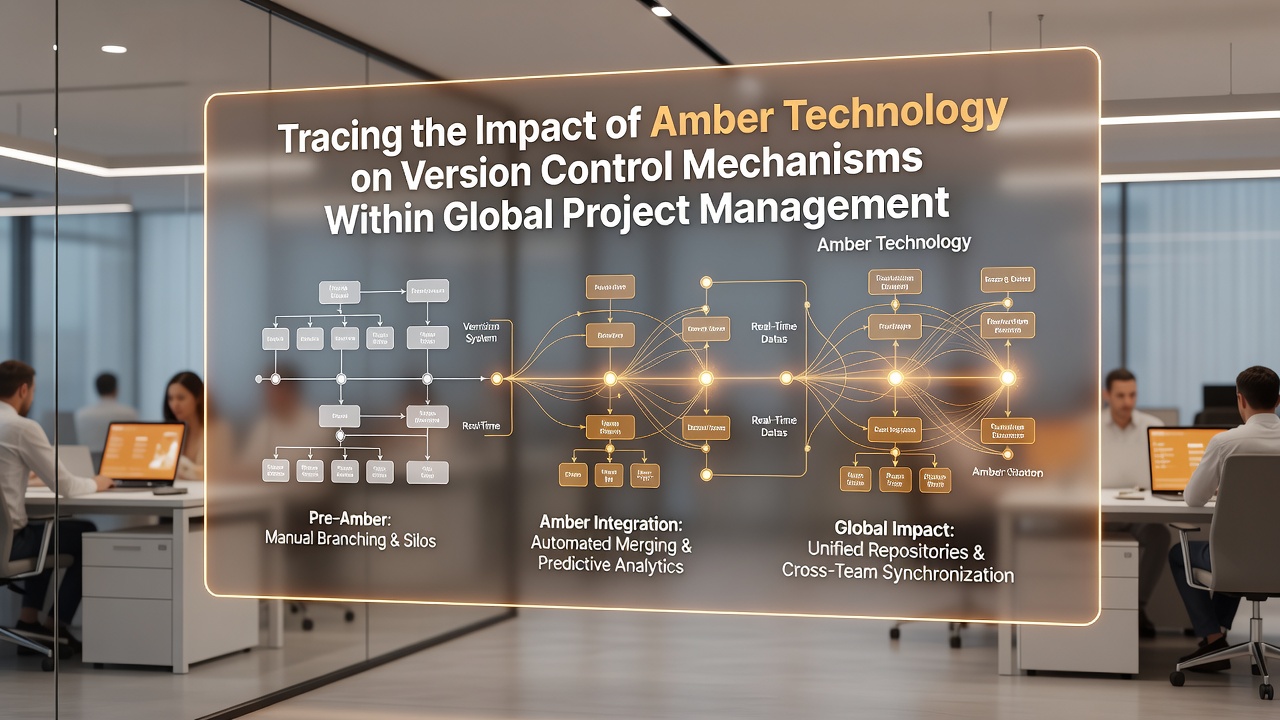
Amber Technology emerged as a distributed ledger-based system designed to enhance data integrity across collaborative environments, and its influence on version control has reshaped how teams manage revisions in project management platforms. Organizations began integrating these mechanisms around 2022, with adoption accelerating as global teams sought reliable ways to track changes without centralized bottlenecks. Data from industry reports indicate that platforms incorporating Amber protocols reduced merge conflicts by up to 40 percent in multi-site deployments.
Early Developments in Version Control Integration
Version control systems like Git and Subversion traditionally relied on repository structures that handled sequential updates, yet distributed teams often encountered synchronization delays during peak collaboration periods. Amber Technology introduced immutable timestamping and consensus-driven validation, which allowed project platforms to embed these features directly into their workflows. Researchers at technical universities noted that this shift enabled real-time auditing of code and document iterations across continents, particularly in software development and engineering sectors.
By 2024 several major platforms had adopted hybrid models where Amber components managed the underlying change logs while legacy tools retained user interfaces. This approach preserved compatibility yet added layers of cryptographic verification that prevented unauthorized alterations. Figures from standards organizations reveal increased deployment in regions such as North America and the Asia-Pacific, where regulatory frameworks encouraged traceable digital records.
Mechanisms Transformed by Amber Protocols
Branching and merging operations saw the most direct changes because Amber Technology supports parallel versioning through consensus algorithms rather than linear commit histories. Project managers observed fewer instances of overwritten files since each update required network agreement before finalization. In practice this meant that global teams working on infrastructure projects could maintain separate regional branches that reconciled automatically once conditions aligned.
Access controls evolved as well, with role-based permissions now tied to verifiable transaction histories instead of static user lists. Security audits conducted by independent labs showed that unauthorized access attempts dropped when platforms enforced Amber-style validation at the version level. Those implementations extended to non-code assets such as design files and requirement documents, broadening the technology's reach beyond traditional software repositories.
Adoption Patterns Across Regions
European enterprises integrated Amber Technology into project platforms to meet data residency requirements while maintaining seamless version histories across borders. Canadian research institutions documented similar patterns in academic collaborations, where multi-university teams required tamper-evident records for grant-funded work. Australian government agencies began pilot programs in 2025 that linked Amber validation to public infrastructure management tools, producing measurable improvements in change traceability.
What's interesting is how these regional approaches converged on common standards by mid-2026. A report published by the International Organization for Standardization highlighted consistent metrics for conflict resolution times across tested platforms. Observers note that companies in emerging markets leveraged open-source Amber modules to reduce licensing costs associated with proprietary version control add-ons.
October 2026 Developments and Ongoing Trends
Industry conferences scheduled for October 2026 are expected to showcase updated Amber specifications that further streamline integration with artificial intelligence-assisted merge tools. Preliminary testing data suggest these enhancements could cut review cycles by another 25 percent in large-scale deployments. Platform vendors have already begun releasing APIs that expose Amber ledger queries directly within dashboard analytics.
Training programs offered by professional associations now include modules on interpreting Amber-generated version graphs, helping project leads interpret consensus outcomes without deep technical expertise. Continued refinement of these systems focuses on energy efficiency, since earlier ledger implementations carried higher computational overhead than centralized alternatives.
Conclusion
Amber Technology has altered the operational backbone of version control within global project management platforms by replacing sequential trust models with distributed validation. Evidence from multiple continents shows measurable gains in auditability and conflict reduction, while ongoing refinements scheduled through late 2026 point to sustained evolution. Organizations continue to adapt these mechanisms as distributed work remains standard across sectors.