
Taylor Powell · 12 October 2026
Navigating Data Synchronization Challenges in Global Teams Using Next-Gen Amber Solutions
Understanding Core Synchronization Issues in Distributed Workforces
Global teams encounter persistent data synchronization problems when information must flow across regions with varying network conditions and regulatory frameworks, and these issues often surface during high-volume collaboration periods such as project deadlines or quarterly reviews. Data latency arises because servers in different continents process updates at different speeds while network partitions interrupt real-time replication, yet organizations continue to expand operations into new markets where connectivity remains inconsistent. Studies from research institutions indicate that synchronization failures account for measurable productivity losses in multinational companies, particularly when teams rely on legacy systems that lack conflict resolution mechanisms.
Regulatory requirements add another layer of complexity since data residency laws in regions like the European Union and Australia mandate that certain information stays within geographic boundaries, which forces teams to implement segmented storage while still needing unified access for analysis. Observers note that without automated tools, manual reconciliation becomes error-prone and time-consuming, leading to version conflicts that propagate through shared documents and databases.
Technical Barriers That Compound Across Time Zones
Bandwidth limitations and firewall restrictions in emerging markets create bottlenecks that delay data propagation, whereas teams in high-speed environments expect instantaneous updates. Experts have observed that these disparities widen during peak hours when multiple regions access centralized repositories simultaneously, resulting in queue buildup and eventual data divergence. Conflict detection algorithms in older platforms frequently fail to prioritize updates correctly, which leaves teams resolving discrepancies manually after the fact.
Security protocols must also align across jurisdictions, and encryption standards vary enough that some platforms cannot exchange data without intermediate translation layers. Data shows that breaches linked to synchronization gaps have prompted companies to adopt more robust architectures, especially as remote work patterns solidified after 2020.
Capabilities of Next-Gen Amber Solutions in Addressing These Gaps
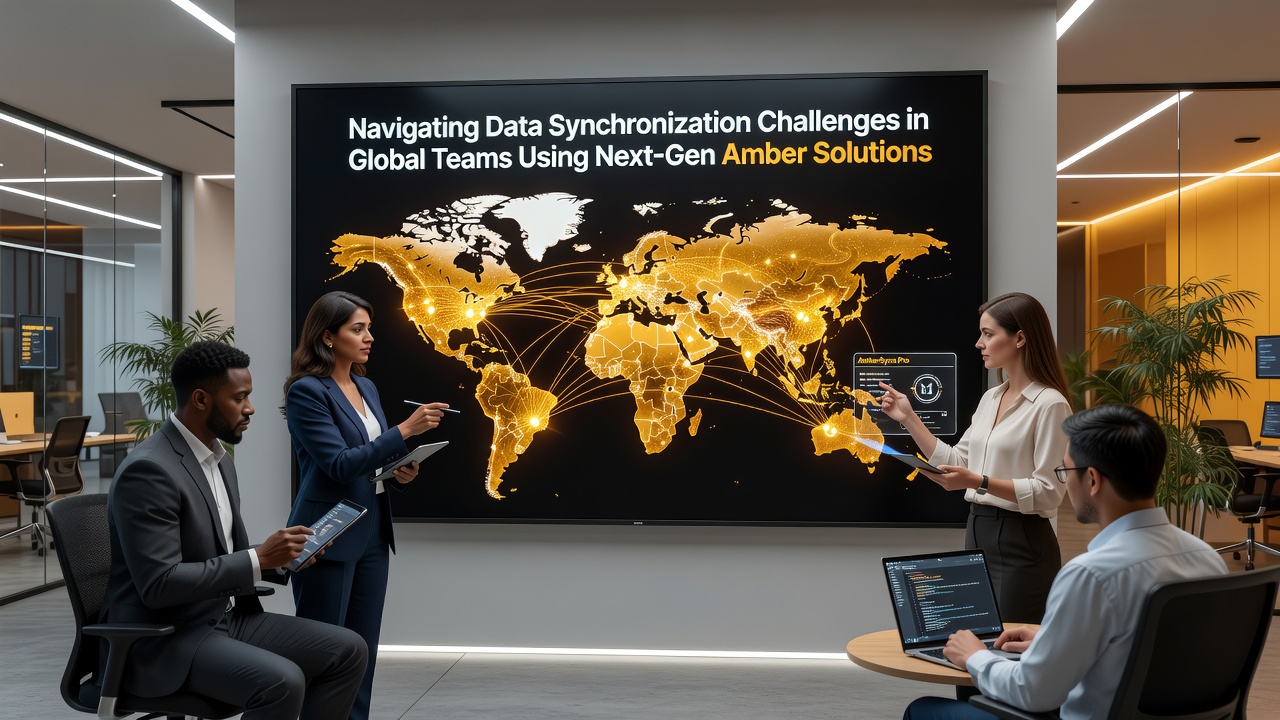
Next-gen Amber solutions introduce distributed ledger elements combined with intelligent routing that automatically selects optimal paths for data packets based on real-time network diagnostics. These platforms incorporate edge computing nodes that cache and process updates locally before synchronizing with central hubs, which reduces latency for teams operating in remote locations. Automated conflict resolution engines compare incoming changes against predefined business rules and merge compatible edits without user intervention, while flagging only those that require human review.
Compliance modules within Amber frameworks map data flows against regional regulations dynamically, ensuring that sensitive records remain in approved jurisdictions even as teams access aggregated views. Integration with existing SaaS tools happens through standardized APIs that preserve audit trails across all synchronization events.
Implementation Patterns Observed in Multi-Regional Deployments
Organizations adopting Amber solutions typically begin with pilot programs in two or three time zones to calibrate routing algorithms and test conflict handling under controlled loads. Once baseline performance metrics stabilize, expansion proceeds region by region with continuous monitoring of synchronization success rates. Training programs focus on interpreting system alerts rather than manual data management, which shifts team responsibilities toward strategic oversight.
According to reports from academic sources on distributed systems, companies that phased rollouts over six to nine months achieved higher adoption rates than those attempting simultaneous global deployment. Metrics tracked during these transitions include replication lag averages and conflict resolution times, both of which tend to decline steadily after initial calibration.
Developments Expected Around October 2026
Industry observers anticipate that Amber platform updates scheduled for October 2026 will introduce enhanced machine learning models for predictive conflict avoidance, allowing systems to anticipate merge requirements based on historical collaboration patterns. These enhancements aim to support emerging standards for cross-border data portability while maintaining encryption integrity throughout transit. Early testing environments have shown reduced reconciliation overhead when teams simulate peak activity across five continents simultaneously.
Partnerships between Amber developers and regional infrastructure providers are also expanding to include direct peering agreements that bypass congested public internet routes during critical synchronization windows.
Conclusion
Next-gen Amber solutions provide structured approaches to data synchronization by combining automated routing, localized processing, and regulatory mapping into unified platforms that scale with global team growth. Evidence from deployments indicates measurable improvements in update consistency and compliance adherence when organizations apply phased implementation strategies. As updates roll out in periods such as October 2026, continued refinement of these tools will likely address remaining gaps in latency management and conflict prediction across increasingly distributed work environments.